Blog Feed

It’s Worth a Shot: An Analysis of the Current Influenza Season

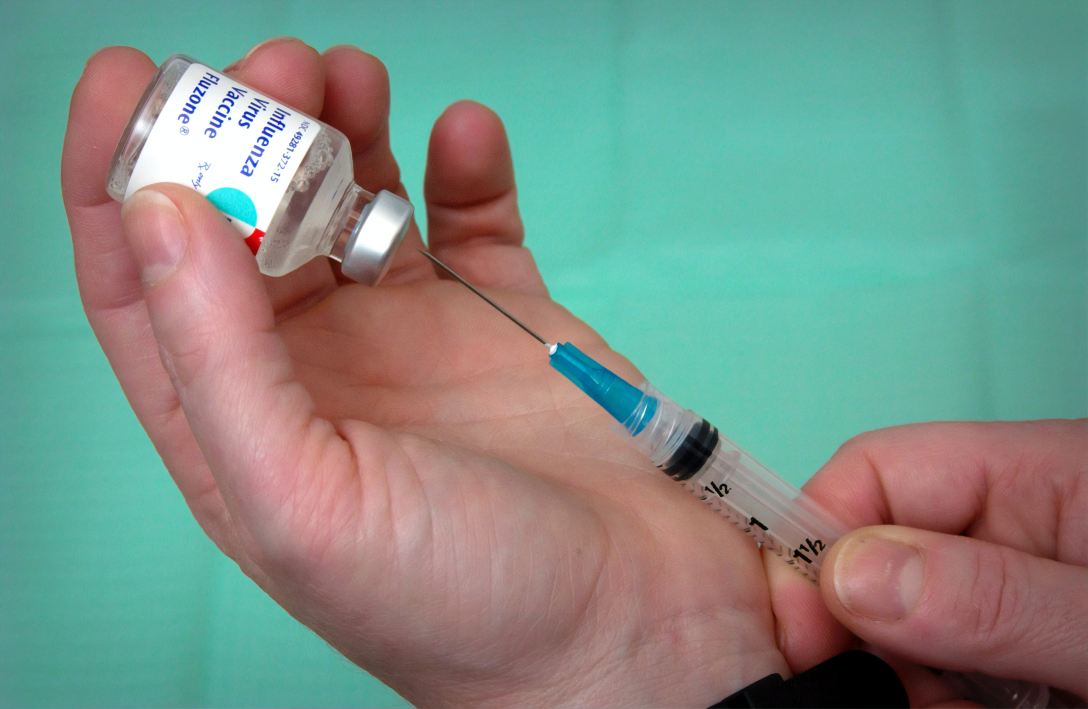
The flu. It’s something we all know, that we hate and try to avoid every season. But what is the flu? The flu is a virus that causes respiratory infection and causes signs and symptoms of muscle aches, fever, lack of energy, headaches, sore throat, congestion, and coughing. It is constantly changing due to antigenic drift and antigenic shift. Because it is constantly evolving, it is incredibly hard for the body to have immunity to the virus. In an effort to create immunity against the virus, microbiologists around the world work to make an estimated guess of which strain of the flu will be the most common each season and to make a vaccination that will protect against it.

This season, the A(H1N1)pdm09 vaccine component and A(H3N2) vaccine component were updated to a more recent strain of the virus. The B/Victoria and B/Yamagata virus components stayed the same as from that of the 2018-2019 flu vaccine. Because it is still so early in the season, the CDC has not released any data on the effectiveness of this years vaccine. However, they did state that, according to recent studies, the flu vaccine reduces the risk of getting the flu by 40-60% when the vaccine viruses are similar to the ones being spread throughout the population.

While the CDC hasn’t yet released vaccine effectiveness estimates this season, they are keeping data on those who have been infected. They believe that so far over 22 million people have been ill, over 200,000 have been hospitalized for it, and 12,000 have died from the flu. The state I live in, North Carolina, is among 45 states that have been considered high in ILI, or influenza-like illness, according to the CDC’s ranking. They have also classified flu activity as being widespread in the state of North Carolina. According to the North Carolina Department of Health and Human Services, there have been 63 total flu deaths this season, 5 of which occurred within the past 2 weeks.

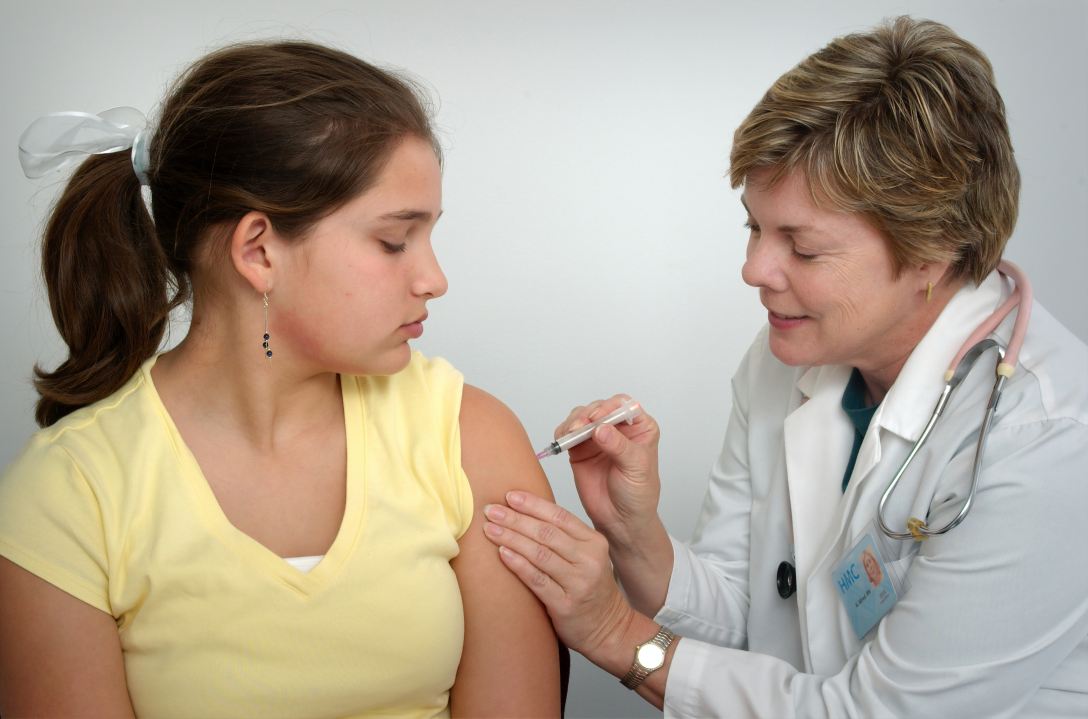
Although many people don’t die when they become ill with the flu, there is also still a subset of our population who are at great risk, such as infants, older adults, or those with compromised immunity. Regardless of the effectiveness rate of this season’s flu vaccine, having some protection against the flu is better than having none at all. If not to protect yourself from dealing with the symptoms and inconvenience of the flu, please consider getting your flu shot to reduce the risk of others becoming infected. With a virus like this, herd immunity is incredibly important. The vaccine may not be fully effective, but for your own health and the health of others, it’s certainly worth a shot.

Featured photo by CDC on Unsplash.

To Vaccinate or Not to Vaccinate?: Where the Debate Started.

Although many people think that this shouldn’t be a question at all, there are still many people who are afraid to vaccinate their children. For many, the fear began after Andrew Wakefield, a man who has since lost his medical licence, published a study that suggested that children who received the measles, mumps, and rubella (MMR) vaccine showed behavioral and developmental regression. It launched much of the world into a frenzy, as scientists worldwide were publishing studies that argued against his proposed link between autism and vaccination. He had an extremely small sample size of 12 and all 12 were patients that had been medically referred to he and his colleagues in the department pediatric gastroenterology. Even some of his colleagues who helped with the research, 10 out of 12 of them to be exact, argued against his claim and retracted their interpretation of the data after publication. They agreed that “no causal link was established between MMR vaccine and autism as the data were insufficient”. Wakefield et. al were all faced with multiple charges of scientific misconduct and ethical violations, as it was eventually found out that part of the publication was done for financial gain, following the publication and the publication’s retraction. However, because of the publicity this publication received, most of the damage had already been done. People began to believe and spread the idea that vaccinating their children could cause autism.

“No causal link was established between MMR vaccine and autism as the data were insufficient”

-10 out of 12 of Wakefield’s colleagues on his original study

While there are many benefits of having an ever-increasing field of technology and communication, there are also a few drawbacks. We may love the fact that important information can be spread globally very quickly, but what happens when the information is incorrect? This was the case with the idea that the MMR vaccine could potentially cause autism. Through seeing Wakefield’s original publication, and the publicity it got afterwards, the world began to talk about this idea. However, despite there being many people, including the original publisher, that proved and explained how this link was not supported, many people still believed that the MMR vaccine could cause autism. These people became very vocal about their new distrust in vaccines, and some even went as far as to stop vaccinating their children and trying to get others to stop vaccinating their children as well. This group of people have since become part of a larger group of people known as anti-vaxxers.

“By the end of 2019, we as a nation had seen more cases of the measles in a year since 1992”

Thus, over the course of time since Wakefield’s publication two opposite groups have formed: those who are pro-vaccination and those who are anti-vaccination. Or, it could be argued, those who are founded in science and those who are founded in fear. But unfortunately, fear is often a great motivator for action, or in this case a lack thereof. By the end of 2019, we as a nation had seen more cases of the measles in a year since 1992. The CDC noted that the majority of the people who got the measles were those who were not vaccinated, and that it spread the most in communities where groups of people weren’t vaccinated. 1,282 individual cases had been confirmed across the United States. And with the risks this poses to herd immunity, there has certainly been a lot of push back from those who are pro-vaccination, from Facebook all the way to Washington D.C.. Only time will tell what happens with the pro vs. anti-vaccination debate, but one thing is certain. Andrew Wakefield never had any scientific evidence to suggest vaccines cause autism in the first place.

Featured image for this post by CDC on Unsplash.

Introducing Me

Hello! My name is Erika Bell. I’m from Raleigh, North Carolina, and I am currently an undergrad at the University of North Carolina at Chapel Hill. I am double majoring in Exercise and Sports Science and Psychology. After I complete my undergrad, I plan on taking a gap year to get more patient care hours as an EMT, then applying to graduate school to be a Physician Assistant. I also currently work for UNC Sports Nutrition under Rachel Manor, our school’s Director of Olympic Sport Nutrition. I am a member of the Carolina Pre-Physician Assistant Association and a subchair of the Organizational Donations committee of Carolina For The Kids, an organization that runs UNC’s Dance Marathon and raises money for the patients and families at UNC Children’s Hospital. In the small amount of free time I have, I enjoy running, spending time with friends and family, playing with my two dogs, watching movies, reading, and painting.

*All views and opinions on this blog are my own.