
♫ Let’s talk about sex baby, let’s talk about HPV♫ In all seriousness, HPV is something that needs to be talked about. All sexually transmitted infections and diseases need to be talked about more so that people know how to prevent them, recognize them, and educate others. In this post, I will be discussing Human Papillomavirus, or HPV, what it is, how it is spread, and how to prevent its spread.
Human Papillomavirus is a virus that can cause infections in internal and external genitalia. Some strains cause papillomas, or wart-like growths on the genitals, while other strains can cause lesions on mucosal surfaces, which have been shown to play a major role in the development of cervical cancer. Many people can have HPV without showing signs or symptoms, however the most notable sign is the presence of warts on the penis, anus, or at the opening of the vagina. Precancerous lesions can only be detected through testing of cervical tissue. Certain strains spread through sexual activity can cause other types of cancer, such as oral, penile, vaginal, and oral cancers. Out of 100 different types of HPV, at least 40 are spread through sexual contact and 15 of them are strongly associated with various types of cancer. This, along with the warts that no one wants, is why protection against HPV is so important. Because people can be asymptomatic when they have it, protection and prevention is crucial.
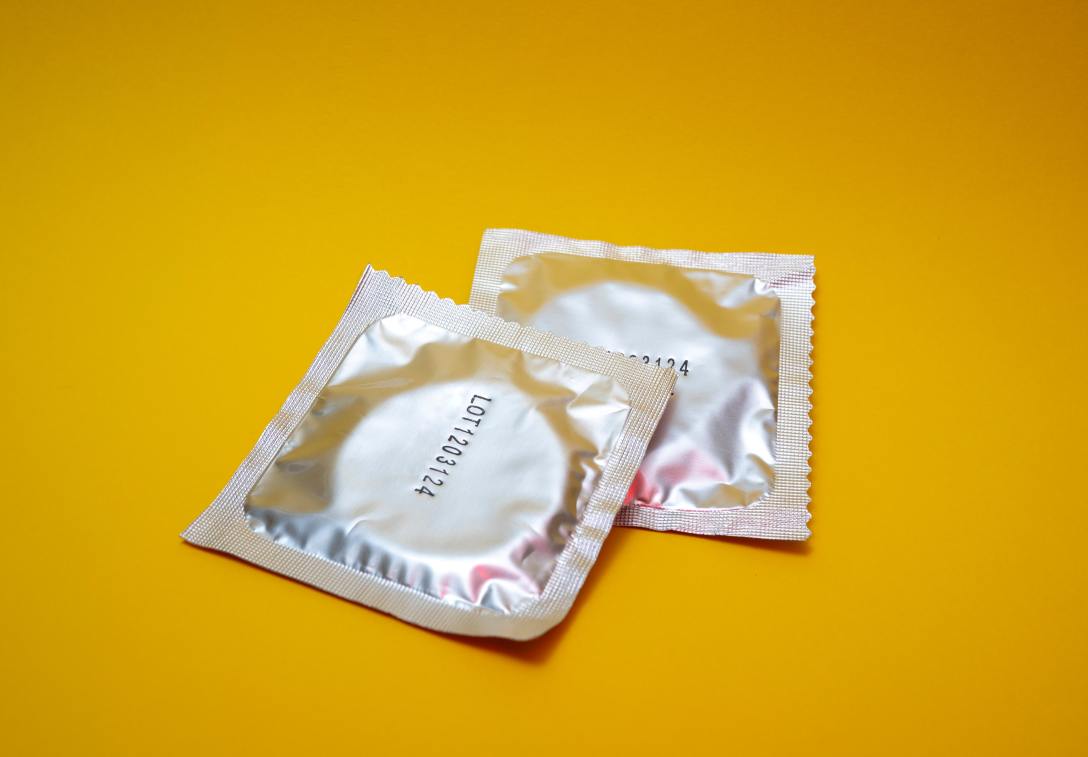
While there are treatments for the warts, the warts caused by some HPV infections can be reoccurring. All women are also advised to get a Pap smear every 12 months to determine if they have any abnormal cells or lesions caused by HPV. In terms of prevention, the best ways to prevent HPV are by practicing the AMCs of prevention, abstinence, monogamy, and condoms. Condoms are helpful in preventing the spread of HPV, however they aren’t completely effective against it, as HPV can be spread by exposure to areas of skin that aren’t covered by a condom. In terms of vaccinations that can prevent HPV infection, there are a few different vaccines available that aim to prevent certain types of HPV. For example, one of the most popular vaccines, Gardasil 9, protects against the HPV types that cause the majority of genital warts and associated cancers. Gardasil 9 is part of the vaccine schedule used in the United States, and is scheduled to be given around age 11 or 12, however it can be given as early as 9 years old and as late as age 26. However, given the nature of transmission, it is most effective if you get the vaccine before becoming sexually active. While some vaccines are still being developed or improved, there has been some discussion in the medical academic world about the risk of certain HPV vaccines and if the harms outweigh the benefits. While there is a risk of harm when getting the vaccines, the benefits of not becoming infected by HPV, not getting the associated warts or cancers, and not asymptomatically spreading it to others should outweigh the risk, and it is best for your own health and the greater public’s health if you do receive the vaccination.
Still, making sure people get the vaccinations and practice the AMCs of prevention is only part of the battle. Another important part of preventing HPV spread is by promoting disclosure and reducing the stigma related to STIs. In a recent study, scientists found that out of the group of women studied, 60% of HPV-positive women felt that disclosing their HPV result was “risky”. They weren’t sure how their partners would respond, and were unsure how, when, and to whom they should communicate their result to. Reducing stigma and promoting disclosure is just as important in prevention, as it will in turn promote other prevention techniques, promote vaccination, and cut down on the spread of HPV. If you are worried about HPV, as everyone should be, the best way to prevent yourself and others from getting it is to vaccine yourself and your children when they are of age, by practicing safe sex, and by getting regular testing/pap smears. And if you do have HPV, be sure to continue practicing safe sex and let your partner(s) know before engaging in sexual activity. (Hint: this advice goes for all STIs and STDs!!). Salt-N-Pepa may have sang about all the good things and the bad things that may be, but HPV, genital warts, and avoidable cancer should certainly not have to be included.
Featured Image by Reproductive Health Supplies Coalition on Unsplash.

 Erika Bell's MCRO 251 Blog