
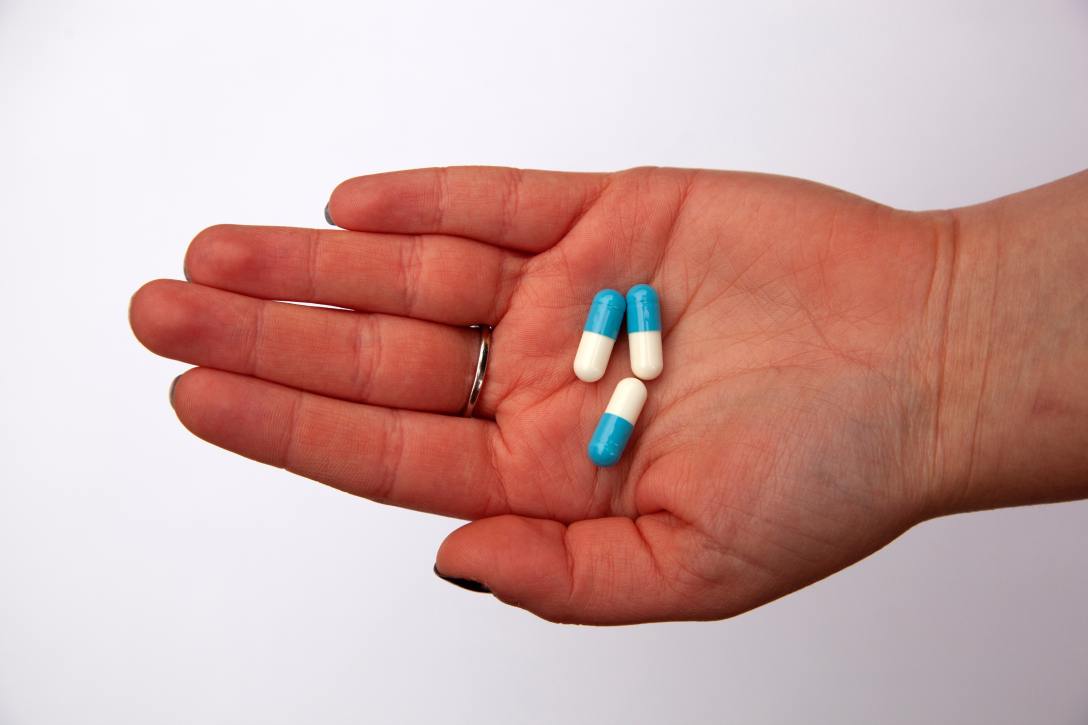
Antibiotics. They’re incredibly important when we have a bacterial infection, and we as a society use them often. But are we using them too often? In this post, I will discuss what antibiotics are, when and how they are used, and what can happen if we, as a society, use them too often, or when they aren’t necessary for improving our health.
Antibiotics are a type of medicine that consist of a natural compound, such as one found in molds or certain types of bacteria, that can be used to inhibit the growth of or kill other microorganisms. In medicine, we use them when we are sick from bacterial infections, such as pneumonia or urinary tract infections. Antibiotics function by attacking parts of the structure or interrupting the chemical processes of bacteria that don’t occur in human cells, which is how it can stop the growth of or kill bacteria without hurting ourselves. However, some bacteria is resistant to antibiotics, meaning their growth can not be stopped and they can not be killed by antibiotics. Antibiotic resistance can come from either an innate resistance, meaning some bacteria are resistant to the medicine because of their natural structure or biochemical processes, or by acquired resistance, meaning their DNA has changed by means of mutation or horizontal gene transfer. This means that some bacteria can be treated by antibiotics but can become resistant later, thus rendering the antibiotic we had for it useless. Bacteria that have become resistant to most of our available antibiotics are called superbugs, and they are dangerous because they cause infection that can not be treated or eliminated.
From this information, I’m sure you could be wondering a few different things: If more bacteria are becoming resistant to antibiotics, does that mean resistance is on the rise? What is causing this? Why does it matter to me? The fact is that, YES, antibiotic resistance is on the rise! It is increasingly becoming a problem, as we are losing the medicine we have available to fight bacterial infections more rapidly than we can invent or find more. There is a reason why the WHO listed antimicrobial resistance as one of the top 10 threats to global health in 2019. This matters because we are losing medicine that should work, meaning there are more and more people who won’t be able to be treated and cured from their bacterial infection. This means that more people can die if their infection can’t be treated. In fact, the CDC reported antibiotic resistant bacteria causes at least 2.8 million infections and 35,000 deaths in the United States each year and that the annual number of deaths from antibiotic resistant infections has doubled since 2013. The number of germs listed as urgent threats on the CDC’s antibiotic resistance threats list has also increased from 3 to 5 since 2013.
But what causes it and what can we do to help ourselves? Well, when we take antibiotics it stops the growth and kills most of the bacteria in our system. However, some of the bacteria that is resistant to the antibiotics will live, which means that they can continue to grow or spread. By taking lots of antibiotics, we are killing the weak bacteria but the more resistant bacteria continues to flourish and spread, meaning the infections we are used to treating will increasingly become resistant to the medicine we have to treat them. In addition, the use of antibiotics in animal food production is an issue, as antibiotics are often fed to animals to create more meat on their bodies before we kill them for food. In order for meat to pass as antibiotic free, it means that antibiotics can’t be in the system of animals at the time of sale, however this doesn’t mean that the animals haven’t grown in the presence of antibiotics. When the antibiotics cycle through the animals, the most resistant bacteria live and go into their feces, which is then spread on fields as fertilizer. All of this means that the bacteria that ends up around our food and in our bodies is the bacteria that is most resistant to antibiotics. The good news is that, because of the urgency of this threat, many governments and global health organizations are starting to ban the use of antibiotics in the meat industry and implementing new medical policies, encouraging a stricter use and lower prescription rate of antibiotics.
If you’re wondering what you can do to help alleviate this threat to global health, be sure to only take antibiotics when they are prescribed and always follow the instructions given with the prescription. Skipping doses, stopping the course of treatment early, or taking some you have left over the next time you feel ill can not only interfere with your ability to become better, but it increases the chances of bacteria becoming resistant and spreading to others. In addition, always see a doctor when you are sick, as you may not know if it is a bacterial or viral infection and be sure to remind your friends and family to do the same. The best way to limit the prominence of antibiotic resistant bacteria is by limiting unnecessary antibiotic use! Because antibiotic resistant bacteria is dangerous to our health as a society, it is in our best interest to do everything we can to prevent the spread and advancement of it.
Featured photo by Mark Fletcher-Brown on Unsplash.

 Erika Bell's MCRO 251 Blog